Crypto
-
Decrypt - 20:17 Feb 18, 2026
Ethereum layer-2 network Base is leaving behind the Optimism technology stack as it seeks faster upgrades and reduced overhead. -
CryptoPotato - 20:13 Feb 18, 2026
Crypto funds shifted to market-neutral trades as volatility punished directional bets and triggered a fourth straight month of losses. -
Cointelegraph.com - 20:11 Feb 18, 2026
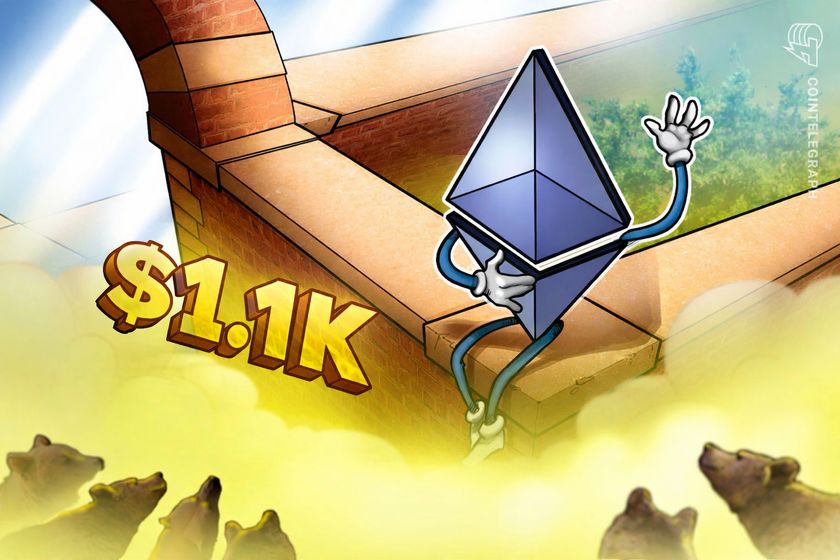 Ethereum onchain data and a bear pennant on the daily chart suggest that bears may target the $1,100 level. Would a dip to that zone represent a generational buy opportunity? Ether (ETH) price printed a bear pennant on the daily chart, a technical chart formation associated with strong downward momentum. This weakening technical setup and declining network activity may signal the continuation of ETH’s bear trend and possibly send the altcoin’s price to $1,100. A bear pennant pattern is a bearish setup that forms after the price consolidates inside an up-sloping triangle following a sharp price drop. The pennant will resolve once the price breaks below the lower trend line of the pennant at $1,950. If this happens, the ETH/USD pair could drop by as much as the previous downtrend’s height. This places the measured target for ETH price at $1,100, down 43% from the current price. Read more
 -
CryptoSlate - 20:10 Feb 18, 2026
Peter Thiel went to zero in ETHZilla, and the ETH treasury company trade just got a lot more real On Feb. 17, an amended 13G/A posted to ETHZilla’s investor site listed Peter Thiel and Founders Fund-related vehicles at zero shares and 0.0% beneficial ownership. The filing also stamped a “date of event” of Dec. 31, […] The post Peter Thiel dumps all ETH treasury shares after “Ethereum’s MicroStrategy” fell 95% since August appeared first on CryptoSlate. -
Cointelegraph.com - 19:52 Feb 18, 2026
 Starboard Value said that “time is of the essence,” stressing urgency in Riot getting “more material deals completed” related to AI and HPC. An activist Riot Platform shareholder is pressing the crypto mining company to accelerate its pivot to high-performance computing (HPC) and artificial intelligence. In a Wednesday letter to executives, Starboard Value, which holds about 12.7 million shares of Riot, said that the company could generate between $9 billion to $21 billion in equity value contribution from AI/HPC data centers in Texas. The shareholder said that “time is of the essence,” stressing urgency in getting “more material deals completed” as it moves deeper into AI and HPC. “With 1.4 [gigawatts] of gross capacity remaining to be monetized, Riot is in an enviable position – but it must execute with excellence and urgency,” said Starboard. “We believe Riot should be able to attract high-quality tenants for tier-3 data centers with terms similar to or better than the peer transactions announced towards t...
 -
CoinDesk - 19:12 Feb 18, 2026
Developed with Paradigm, the tool is OpenAI’s attempt to determine whether modern AI systems are up to the task of helping prevent smart contract issues. -
CoinDesk - 19:07 Feb 18, 2026
The deal adds token lifecycle infrastructure to Kraken’s growing product suite. -
Cointelegraph.com - 18:45 Feb 18, 2026
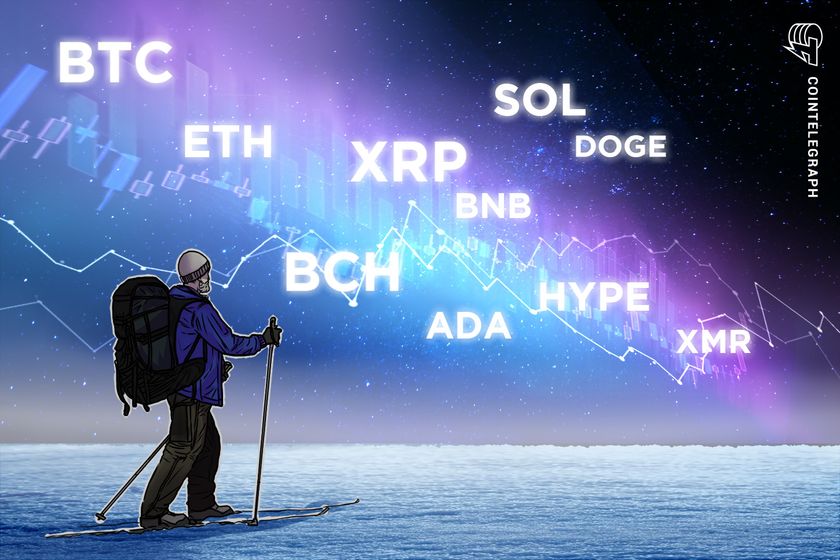 Technical charts show Bitcoin price hanging on to softening support in the $68,000 to $65,000 zone, and a breakdown below the level could usher in new lows in the $50,000 range. Key points: Bitcoin remains under pressure, and the downside might accelerate if the $65,118 level is breached. Several major altcoins are attempting a recovery, but the bears remain sellers on rallies. Read more
 -
CryptoPotato - 18:24 Feb 18, 2026
Bitwise exec said that Aave's governance proposal stands out as a positive development for DeFi during the crypto downturn. -
Cointelegraph.com - 18:10 Feb 18, 2026
 New Keyrock research finds not all newly created money impacts risk assets due to how fresh liquidity flows through the economy. Treasury bill issuance is the primary liquidity metric that impacts Bitcoin’s (BTC) price and not the Federal Reserve or any other central bank’s balance sheet, according to a new report from crypto investment firm and market maker Keyrock. Every 1% change in global liquidity levels impacts BTC’s price by 7.6% the following business quarter in which new money is created. However, not all liquidity impacts risk asset prices equally, Keyrock researcher Amir Hajian said. Treasury bill issuance has about an 80% correlation with BTC prices since 2021, and this metric leads BTC prices by about eight months, according to the report. Hajian wrote: Read more
 -
Decrypt - 18:05 Feb 18, 2026
The first Sui ETFs are now trading as Canary and Grayscale bring staking-enabled crypto exposure to traditional markets. -
CryptoSlate - 18:05 Feb 18, 2026
Bitcoin's ongoing price struggles is turning into a market defined less by “bad news” and more by mechanics, the kind that can keep a downtrend alive even when selling looks tired. According to CryptoSlate's data, the BTC price is down approximately 46% from the record high near $126,000 set in early October 2025 and trading […] The post Bitcoin whales added 200,000 BTC in a month — but short-term demand is fading at the same time appeared first on CryptoSlate. -
CoinDesk - 17:55 Feb 18, 2026
Also: EF’s Stańczak to leave ED role, XRPL member-only DEX and Ethereum revives the DAO. -
Cointelegraph.com - 17:49 Feb 18, 2026
 Two-year Bitcoin hodlers "absorbed" seller pressure in recent weeks, according to new research, but most analysts still expect new macro BTC price lows. New analysis suggests that Bitcoin (BTC) is “relying” on early 2024 buyers as its price action stalls below $70,000. Key points: Bitcoin buyers from early 2024 are in focus as a giant potential safety net for BTC price. Read more
 -
Decrypt - 17:41 Feb 18, 2026
The organization is led by industry veteran Jake Chervinsky and backed with $29 million worth of HYPE. -
Cointelegraph.com - 17:41 Feb 18, 2026
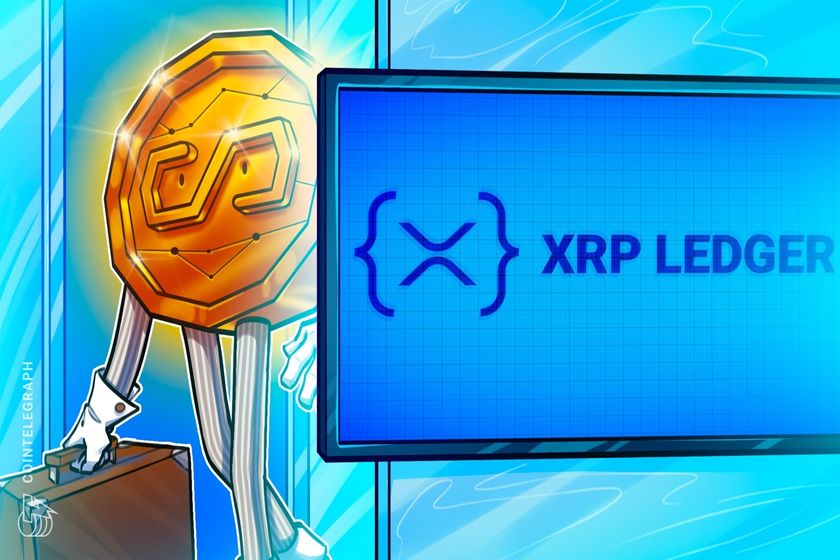 The French banking group’s digital asset unit deploys EUR CoinVertible on a third public blockchain, alongside Ethereum and Solana. French banking group Societe Generale’s digital asset arm, SG-FORGE, has deployed its euro-denominated stablecoin, EUR CoinVertible, on the XRP Ledger, marking the token’s third blockchain launch after Ethereum and Solana. According to Wednesday’s announcement, the rollout is supported by Ripple’s custody infrastructure and could enable integration into Ripple products, including use as trading collateral. SG-FORGE said the move expands institutional access to the euro-backed token across another public network. The launch comes about a month after global banking network SWIFT tested SocGen’s euro-pegged stablecoin in a pilot of exchange and settlement of tokenized bonds in both fiat and digital currencies. SG-FORGE said EUR CoinVertible was the first MiCA-compliant digital asset designed to integrate directly with SWIFT’s interoperability framework. Read more
 -
CoinDesk - 17:38 Feb 18, 2026
Base launched in 2023 and quickly became one of the most widely used Ethereum layer-2 networks. -
Decrypt - 17:18 Feb 18, 2026
Goldman Sachs CEO David Solomon backed Treasury Secretary Bessent, who recently had harsh words for companies like Coinbase that said no crypto legislation is better “than a bad bill.” -
CoinDesk - 17:18 Feb 18, 2026
CoinShares researcher Luke Nolan says the 50% figure is ‘inaccurate, or at least materially misleading’ and staked ether is closer to 30% of supply. Ethplorer.io’s Aleksandr Vat agrees. -
CoinDesk - 17:14 Feb 18, 2026
The activist investor said Riot's 1.7 GW power capacity can drive premium AI hosting deals at Texas sites.