Crypto
-
CryptoSlate - 18:15 Jan 23, 2026
Bitcoin’s earliest realistic path to becoming the world’s global reserve currency (defined here as reserve-currency primacy rather than limited reserve-asset adoption) sits around the mid-2040s under a scenario model that treats official mandates, collateral usage, and invoicing conventions as binding constraints. That timeline starts from a reserve system where total global foreign-exchange reserves reached $12.94 […] The post The dollar stays king until 2046 crushing Bitcoin dreams with $13 trillion of IMF data appeared first on CryptoSlate. -
Decrypt - 18:14 Jan 23, 2026
Ryan James Wedding was accused of using stablecoin Tether to fuel a cocaine smuggling and murder operation in Latin America and the U.S. -
CryptoPotato - 18:14 Jan 23, 2026
Buterin said 2026 should mark a push toward computing self-sovereignty, extending far beyond blockchain systems. -
CoinDesk - 18:00 Jan 23, 2026
In an interview with CNBC, Binance’s CZ spoke of bitcoin’s four year cycles and the potential for a BTC all-time high this year due to a greater acceptance of crypto worldwide. -
Decrypt - 17:53 Jan 23, 2026
Binance founder Changpeng "CZ" Zhao thinks that 2026 will bring a supercycle for Bitcoin, ending the asset's previous four-year trend. -
CoinDesk - 17:46 Jan 23, 2026
Having earlier breached $100 per ounce for the first time ever, silver has risen to $101, while gold sits just shy of $5,000 per ounce. -
Cryptonews.com - 17:39 Jan 23, 2026
The Solana ecosystem is deepening its role in the tokenized economy with the largest RWA Issuer, fuelling bullish Solana price predictions with Wall Street-grade liquidity. The post Solana Price Prediction: 200+ U.S. Stocks Just Landed on SOL – Is This the Most Bullish News of the Year? appeared first on Cryptonews. -
Cointelegraph.com - 17:26 Jan 23, 2026
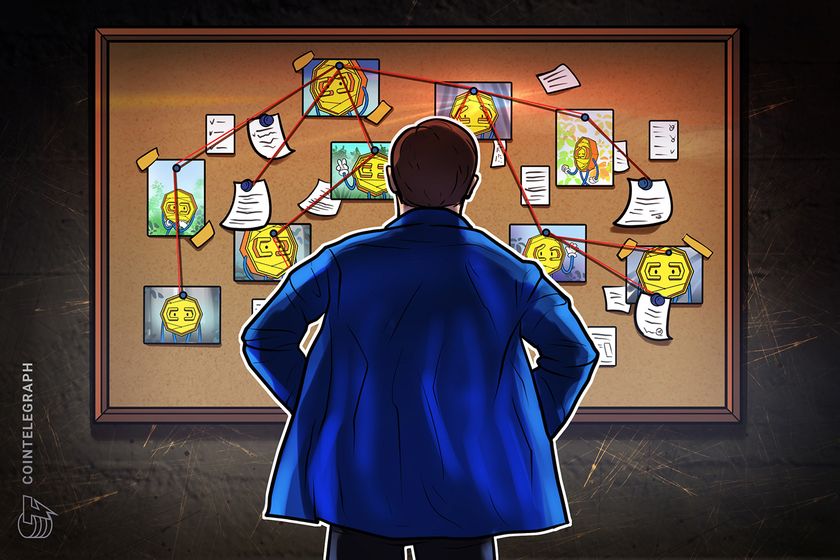 A local news outlet reported that a hacking group called the Shiny Hunters sent ransom demands to Waltio after seizing personal data from about 50,000 users. Authorities in France have started a preliminary investigation into a breach of cryptocurrency tax platform Waltio that could have compromised users’ personal data. According to a Thursday notice by French cybersecurity authorities, the Paris Public Prosecutor's Office and the country’s National Cyber Unit were investigating the nature of the stolen data and identities of Waltio users. The notice warned that users affected by the breach could be targeted in an attempt to move their digital assets under the guise of legitimate security concerns. According to a Friday report from Le Parisien, a group of hackers called the Shiny Hunters sent a ransom demand to Waltio following the attack. The hackers obtained personal data from about 50,000 Waltio users, the majority of whom were based in France. Read more
 -
CryptoPotato - 17:23 Jan 23, 2026
Ethereum forms a diamond pattern near $2.9K, with whales accumulating and long-term setups hinting at a possible move toward $3,600. -
Cointelegraph.com - 17:20 Jan 23, 2026
 Bitcoin bull market optimism has suffered since the October crash, as chances of a short-term BTC price rally above $100,000 appeared to be fading. Bitcoin (BTC) may remain pinned below $100,000 for the first half of 2026 as the market lacks bullish catalysts amid macroeconomic uncertainties. Key takeaways: BTC price has a less than 10% chance of retaking $100,000 before Feb. 1, according to prediction markets. Read more
 -
Decrypt - 16:52 Jan 23, 2026
UBS will reportedly offer Bitcoin and Ethereum trading to select private banking clients in Switzerland, signaling growing crypto adoption. -
CryptoPotato - 16:44 Jan 23, 2026
META is back and has pushed SAND, AXS, and MANA higher. But network growth and liquidity trends still look weak. -
Cointelegraph.com - 16:43 Jan 23, 2026
 The product, if approved, would give US investors access to regulated BNB exposure without needing to hold the token themselves. Grayscale has filed with the US Securities and Exchange Commission to launch a spot exchange-traded fund tracking BNB, marking one of the asset manager’s most ambitious moves beyond Bitcoin and Ether. According to a registration statement filed on Friday, the proposed Grayscale BNB ETF would hold BNB (BNB) directly and issue shares designed to reflect the token’s market value, minus fees and expenses. The filing indicates the fund is intended to trade on Nasdaq under the ticker symbol GBNB, subject to regulatory approval. If approved, the product would give US investors regulated exposure to BNB without needing to custody the token themselves or hold it on crypto exchanges. Read more
 -
Decrypt - 16:40 Jan 23, 2026
Crypto majors are red while Gold nears $5,000 and Silver closes in on $100; BTC -1% at $89,100; ETH -2% at $2,925, SOL -2% at $127; XRP -2% to $1.90. ZRO (+15%), AXS (+10%) and DASH (+8%) led top movers. Ledger is preparing for a $4B IPO, enlisting Goldman Sachs, Jefferies and Barclays for support. Ripple CEO Brad Garlinghouse predicted crypto could hit new highs in 2026, pointing to regulatory momentum and institutional participation as key drivers. President Trump sued JPMorgan for $5 billion, alleging politically motivated “debanking”. BitGo briefly surged in its stock market debut before finishing its first day of trading just over its $18 IPO price. BlackRock CEO Larry Fink pushed the idea of a single blockchain for tokenization to avoid corruption and aid in scaling. Kansas introduced its own Bitcoin Strategic Reserve bill. PwC said institutional crypto adoption has crossed a point of no return, as regulatory frameworks move from draft rules toward active supervision. Treasury Secretary Scott Bessent re... -
Cryptonews.com - 16:40 Jan 23, 2026
Crypto regulation has stalled on Capitol Hill as Grassley and Durbin challenge a developer exemption in Tim Scott’s market structure bill. With Banking delayed to Feb or March, Agriculture has set a Jan 27 markup, while SEC and CFTC coordination has expanded. SEC actions fell 60% in 2025, per study. The post Weekly Crypto Regulation Roundup: Market Structure Stalls as Power Shifts From Congress to Regulators appeared first on Cryptonews. -
Decrypt - 16:30 Jan 23, 2026
The Crown Prosecution Service has given Zhimin Qian’s fixer Sen Hok Ling three months to cough up the funds. -
Cryptonews.com - 16:19 Jan 23, 2026
Ethereum co-founder Vitalik Buterin has revealed his 2026 personal tech setup, revealing a deliberate move away from Big Tech platforms toward what he calls a “self-sovereign” tech stack. The post Ethereum Founder Vitalik Buterin Ditches Big Tech: His 2026 “Self-Sovereign” Stack Reveals Surprising Changes appeared first on Cryptonews. -
Cryptonews.com - 16:17 Jan 23, 2026
After BlackRock suggested that Ethereum could become the foundation of a tokenized economy, we explain why the Ethereum price prediction is looking so good right now. The post Ethereum Price Prediction: Wall Street Giant BlackRock Sees Ethereum as Financial Infrastructure – Could ETH Become the Internet of Money? appeared first on Cryptonews. -
CoinDesk - 16:12 Jan 23, 2026
The proposed "GBNB" trust would offer investors exposure to the native token of the BNB chain without having to directly own the tokens, but approval still hinges on Nasdaq’s filing.