Crypto
-
Cointelegraph.com - 13:30 Aug 27, 2025
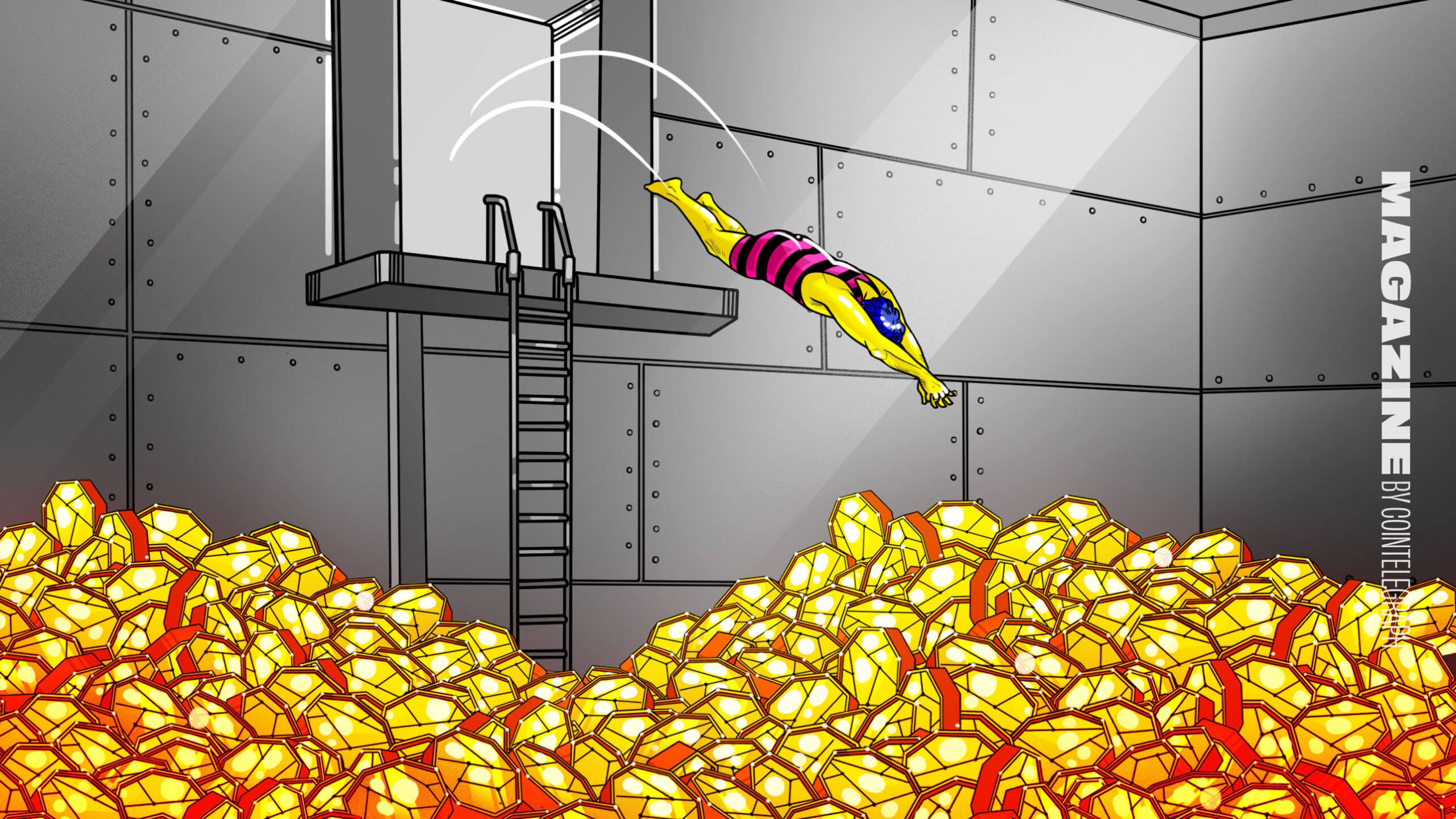 Crypto has the potential to make ordinary people hilariously rich. Here’s three real life tales, and one guy who sold free Bitcoin too early. A surprise manila folder with millions of Bitcoin, a memecoin that went to the moon and a series of high-stakes poker games these are some true-life tales of people who struck it rich with crypto. While there are many stories of skilled traders, miners and gamers who became self-made crypto millionaires, the more interesting ones are those who stumbled into crypto and accidentally struck digital gold. It was 2013. Two freshman students were sitting at a bar. The guy, a nerdy computer type, was interning at Goldman Sachs. He told the girl lets call her Anna You should invest in Bitcoin. The girl, who had the resources, said, Sure. $10,000 was exchanged, and Anna forgot about it. Read more
 -
Cointelegraph.com - 13:25 Aug 27, 2025
 Ether's bullish Augusts in the past have preceded major rallies into year-end, raising hopes of ETH price reaching $7,000 by January. Key takeaways: ETH eyes record monthly close, unlocking potential for a year-end rally. History shows August’s average 60% gains into December despite September dips. Read more
 -
Cointelegraph.com - 13:20 Aug 27, 2025
 Private OTC token deals give funds discounted allocations and predictable profits, while retail investors face hidden sell pressure and little transparency. Crypto funds and market makers are buying tokens at steep discounts through private over-the-counter deals and hedging them with shorts, locking in double-digit returns while retail traders take the risk. Venture capitalists, funds and market makers can often secure allocations at roughly a 30% discount with three- to four-month vesting, then hedge by shorting the same amount on perpetual futures markets, according to Jelle Buth, co-founder of market maker Enflux. This structure largely guarantees profits that can annualize to as much as 60%-120%, regardless of where the token price moves. Read more
 -
CoinDesk - 13:16 Aug 27, 2025
Bitcoin Cash (BCH) was also among the top performers, rising 2.7% from Tuesday. -
CoinDesk - 13:10 Aug 27, 2025
Benchmark analyst Mark Palmer hiked his Hut 8 price target to $36 from $33, while reiterating his buy rating on the stock. -
Cointelegraph.com - 13:06 Aug 27, 2025
 Crypto.com-backed CRO jumped 40% on the announcement of the Trump Media Group CRO Strategy, reaching levels not seen since May 2022. Cronos, the native cryptocurrency of the Crypto.com-backed Cronos Chain, surged to multi-year highs following news of the Trump Media Group CRO Strategy launch. On Tuesday, Trump Media and Technology Group announced launching a joint $6.4 billion Cronos treasury with Crypto.com and Yorkville Acquisition. Cronos (CRO) surged 25% to $0.20 within hours after the announcement, before climbing past $0.23 on Wednesday, its highest level since May 2022, according to CoinGecko data. Read more
 -
CoinDesk - 13:00 Aug 27, 2025
The platofrm allows borrowing Circle's USDC, Ripple's RLUSD and Aave's GHO against a selection of tokenized funds, making real-world assets useful capital. -
CryptoSlate - 12:35 Aug 27, 2025
Japanese Bitcoin treasury company Metaplanet has unveiled plans to raise over JPY 130 billion (equivalent to around $880 million) through an international share sale, with most of the proceeds earmarked for new Bitcoin purchases. The firm disclosed on Aug. 27 that its board approved the issuance of up to 555 million new shares. If shareholders […] The post Japan-based Metaplanet aims to raise $880M from overseas investors for Bitcoin buying spree appeared first on CryptoSlate. -
Cointelegraph.com - 12:30 Aug 27, 2025
 Bitcoin price weakness has good odds of flipping “positive yet less volatile” in the coming months, new research said. Key points: Bitcoin can reverse its latest slump to hit new all-time highs in the next four months, based on historical performance. Research says that the outlook for Bitcoin between now and Christmas is “positive yet less volatile.” Read more
 -
CryptoSlate - 12:10 Aug 27, 2025
Lido launched Identified Community Staker applications on Ethereum mainnet, creating a verification track that gives individuals priority terms in the protocol’s Community Staking Module. Per Lido, ICS uses a points system across experience, engagement, and humanity. Applicants must meet minimum thresholds in each category and reach at least 15 points to qualify. The program is […] The post Why 2.2 million verified identities could reshape who profits most in Lido ETH staking appeared first on CryptoSlate. -
CoinDesk - 12:06 Aug 27, 2025
Rich Widmann, head of Web3 strategy at Google, outlined on Tuesday how his firm's upcoming layer-1 blockchain for finance differs from Stripe's Temp and Circle's Arc. -
Cointelegraph.com - 12:03 Aug 27, 2025
 Whale inflows into Ether are rising as investors take profits from Bitcoin and rotate into altcoins, fueling expectations of a broader 2025 altcoin season. Cryptocurrency whales, or big investors, are buying hundreds of millions of Ether, as analysts point to an organic rotation of investor mindshare toward altcoins with more upside potential. Nine “massive” whale addresses bought a cumulative $456 million worth of Ether (ETH) from Bitgo and Galaxy Digital, blockchain data platform Arkham said in a Tuesday X post. The growing whale demand for the world’s second-largest cryptocurrency signals the market’s “natural rotation” into Ether and other altcoins with more upside potential, according to Nicolai Sondergaard, research analyst at crypto intelligence platform Nansen. Read more
 -
CoinDesk - 12:00 Aug 27, 2025
Bitcoin, holding above $111,000 having bounced from lows earlier in the European day, is up less than 1% in 24 hours while the CoinDesk 20 Index has added 3.2%. -
CoinDesk - 11:55 Aug 27, 2025
The Jeff Garzik–backed network adds fresh funding as it pushes to merge Bitcoin’s security with Ethereum’s flexibility for DeFi applications. -
Cointelegraph.com - 11:20 Aug 27, 2025
 DOGE whales are selling amid declining open interest and network activity, suggesting that Dogecoin’s price may continue to fall to as low as $0.12. Key takeaways: Dogecoin whales offload large volumes of DOGE, signaling risk aversion. Declining open interest and daily active addresses signal less demand for DOGE. Read more
 -
CryptoSlate - 11:17 Aug 27, 2025
Decentralized exchange Hyperliquid is under scrutiny after a sharp rally in its HYPE token coincided with whale-driven manipulation claims on its platform. On Aug. 27, analytics firm SpotOnChain reported that a cluster of large wallets pushed XPL’s price up by 200% to $1.80 before it quickly retraced. The sudden move transferred millions between traders. According […] The post Hyperliquid faces whale manipulation claims as HYPE reaches new all-time high appeared first on CryptoSlate. -
Decrypt - 11:06 Aug 27, 2025
Legal experts told Decrypt "chances are high" sentences will be upheld in $577M crypto Ponzi despite "unusually lenient" ruling. -
CoinDesk - 11:01 Aug 27, 2025
Open interest on Hyperliquid’s XPL market plunged from $160 million to $30 million in minutes as a trader-triggered price spike caused mass auto-deleveraging. -
Cointelegraph.com - 10:38 Aug 27, 2025
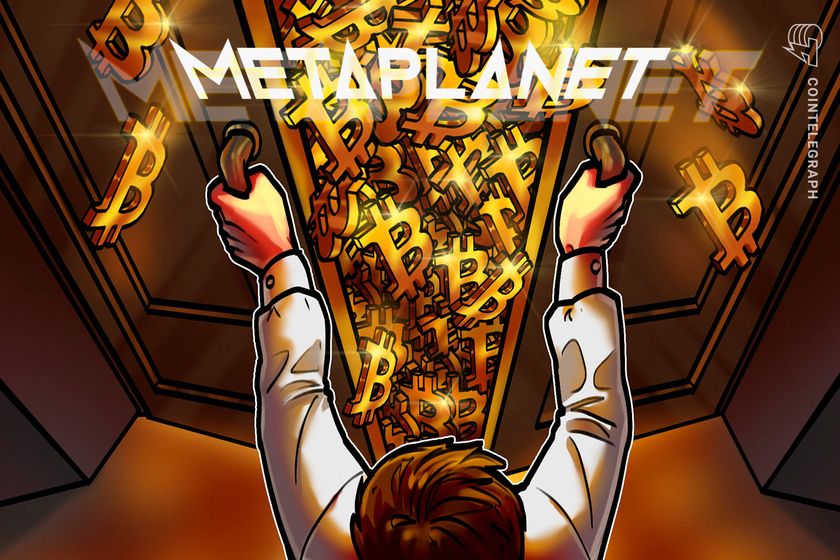 Metaplanet will issue up to 555 million new shares, with most of the $880 million raised directed toward Bitcoin purchases and income strategies. Japanese investment company Metaplanet approved a plan to raise 130.3 billion yen ($880 million) through an overseas share issuance, with almost $835 million set aside for Bitcoin purchases. According to a Wednesday filing, the company plans to issue up to 555 million new shares, which could increase its total outstanding stock from 722 million to about 1.27 billion shares. The issue price will be determined Sept. 9-11, with payments scheduled to settle shortly after. Metaplanet said the bulk of the funds will go toward acquiring additional Bitcoin (BTC), adding to its existing treasury reserves of 18,991 BTC (valued at around $2.1 billion). The company said the strategy is designed to protect against Japan’s weak yen, mitigate inflation risks and enhance corporate value. Read more